Buy pvp24.eu ?
We are moving the project
pvp24.eu .
Are you interested in purchasing the domain
pvp24.eu ?
domain@kv-gmbh.de · 0541-91531010
Buy pvp24.eu ?
Why does a Toyota Supra with 900 PS need to be converted from bi-turbo to single-turbo?
A Toyota Supra with 900 PS (approximately 887 horsepower) needs to be converted from bi-turbo to single-turbo for several reasons. Firstly, a single, larger turbocharger can provide more efficient and consistent power delivery compared to two smaller turbochargers. This can help improve overall engine performance and responsiveness. Additionally, a single-turbo setup can often be easier to tune and maintain, making it more reliable for high-performance applications. Lastly, a single-turbo conversion can also help reduce complexity and potential points of failure in the turbocharging system, making it more suitable for extreme power levels. **
What is turbo flutter?
Turbo flutter, also known as compressor surge, occurs when the throttle is suddenly closed while the turbocharger is still spinning at high speed. This causes the compressed air to be forced back through the turbocharger, creating a fluttering or chattering sound. Turbo flutter can cause damage to the turbocharger and other components of the engine if it occurs frequently or at high levels. It is often considered undesirable and can be mitigated by using a blow-off valve or adjusting the engine's tuning to prevent sudden throttle closures. **


Similar search terms for BE-TURBO-700594-Charger
Top-Angebote
Products related to BE-TURBO-700594-Charger:
-
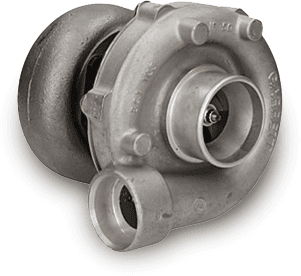
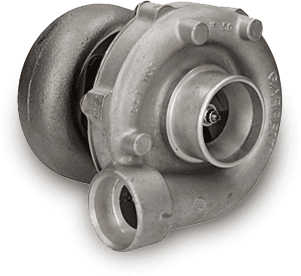
BE TURBO 124170 TurbochargerQuality: Original Neu; Charge Type: Exhaust Turbocharger; See accessories list for additionally required parts: ; article number of recommended accessories: ABS372; Extended/Special Warranty: ; Manufacturer: BorgWarner1551,00 £*Shipping: 1,99 £Secure redirect to the provider
-
BE TURBO 128126RED TurbochargerCharge Type: Exhaust Turbocharger; See accessories list for additionally required parts: ; article number of recommended accessories: ABS257; for current market value repairs: ; Generally overhauled: ; Extended/Special Warranty: ; TecDoc Engine Number: 26065, 25098, 27268, 23792, 23791, 26036, 26599, 26045, 25841, 23781, 23723, 23790, 25843, 35872901,99 £*Shipping: 1,99 £Secure redirect to the provider

-
Base or turbo frequency?
It depends on the specific use case and requirements. The base frequency is the clock speed at which a processor operates under normal conditions, while the turbo frequency is the maximum clock speed the processor can achieve under heavy load. If the application requires consistent performance over long periods of time, then the base frequency may be more important. However, if the application requires short bursts of high performance, then the turbo frequency may be more beneficial. Ultimately, the choice between base or turbo frequency depends on the specific needs of the user or application. **
-
"Is my turbo broken?"
It's possible that your turbo is broken if you are experiencing symptoms such as loss of power, excessive smoke from the exhaust, or unusual noises coming from the turbo area. However, it's important to have a professional mechanic diagnose the issue to confirm whether the turbo is indeed broken. They can perform a thorough inspection and testing to determine the exact cause of the problem. **
-
How can a 5-cylinder engine be converted to turbo?
Converting a 5-cylinder engine to turbo involves several steps. First, the engine will need to be disassembled to install a turbocharger, which includes adding a turbo manifold, wastegate, and intercooler. The engine's compression ratio may also need to be lowered to accommodate the increased air pressure from the turbo. Additionally, the fuel system will need to be upgraded to provide more fuel to the engine. Finally, the engine's computer system will need to be reprogrammed to adjust for the increased airflow and fuel delivery. Overall, converting a 5-cylinder engine to turbo requires careful planning and mechanical expertise. **
-
What should be considered for an Audi B6 1.8 Turbo?
When considering an Audi B6 1.8 Turbo, it's important to pay attention to the maintenance history, as these cars can be prone to issues with the turbocharger and timing belt. Additionally, it's important to check for any signs of oil leaks, as well as the condition of the suspension and brakes. Given the age of the vehicle, it's also important to inspect for any signs of rust or corrosion, especially in areas with harsh winters or coastal climates. Finally, it's a good idea to have a pre-purchase inspection done by a qualified mechanic to ensure that the car is in good condition. **


Can the i5 2300 Turbo Boost be activated without BIOS?
No, the i5 2300 Turbo Boost cannot be activated without accessing the BIOS. Turbo Boost is a feature that dynamically increases the processor's clock speed when needed, and it is typically controlled and configured through the BIOS settings. Without accessing the BIOS, there is no way to enable or adjust the Turbo Boost feature for the i5 2300 processor. **
Can the boost pressure of turbo diesel engines be increased?
Yes, the boost pressure of turbo diesel engines can be increased. This can be done by installing a larger turbocharger, adjusting the wastegate, or adding an aftermarket boost controller. Increasing the boost pressure can result in improved engine performance and power output, but it is important to ensure that the engine and other components are capable of handling the increased pressure to avoid potential damage. It is also important to note that modifying the boost pressure may have legal and warranty implications, so it is important to consider these factors before making any changes. **
Top-Angebote
Products related to BE-TURBO-700594-Charger:
-
BE TURBO 124170 TurbochargerQuality: Original Neu; Charge Type: Exhaust Turbocharger; See accessories list for additionally required parts: ; article number of recommended accessories: ABS372; Extended/Special Warranty: ; Manufacturer: BorgWarner1551,00 £*Shipping: 1,99 £Secure redirect to the provider
-
BE TURBO 128126RED TurbochargerCharge Type: Exhaust Turbocharger; See accessories list for additionally required parts: ; article number of recommended accessories: ABS257; for current market value repairs: ; Generally overhauled: ; Extended/Special Warranty: ; TecDoc Engine Number: 26065, 25098, 27268, 23792, 23791, 26036, 26599, 26045, 25841, 23781, 23723, 23790, 25843, 35872901,99 £*Shipping: 1,99 £Secure redirect to the provider
-
Why does a Toyota Supra with 900 PS need to be converted from bi-turbo to single-turbo?
A Toyota Supra with 900 PS (approximately 887 horsepower) needs to be converted from bi-turbo to single-turbo for several reasons. Firstly, a single, larger turbocharger can provide more efficient and consistent power delivery compared to two smaller turbochargers. This can help improve overall engine performance and responsiveness. Additionally, a single-turbo setup can often be easier to tune and maintain, making it more reliable for high-performance applications. Lastly, a single-turbo conversion can also help reduce complexity and potential points of failure in the turbocharging system, making it more suitable for extreme power levels. **
-
What is turbo flutter?
Turbo flutter, also known as compressor surge, occurs when the throttle is suddenly closed while the turbocharger is still spinning at high speed. This causes the compressed air to be forced back through the turbocharger, creating a fluttering or chattering sound. Turbo flutter can cause damage to the turbocharger and other components of the engine if it occurs frequently or at high levels. It is often considered undesirable and can be mitigated by using a blow-off valve or adjusting the engine's tuning to prevent sudden throttle closures. **
-
Base or turbo frequency?
It depends on the specific use case and requirements. The base frequency is the clock speed at which a processor operates under normal conditions, while the turbo frequency is the maximum clock speed the processor can achieve under heavy load. If the application requires consistent performance over long periods of time, then the base frequency may be more important. However, if the application requires short bursts of high performance, then the turbo frequency may be more beneficial. Ultimately, the choice between base or turbo frequency depends on the specific needs of the user or application. **
-
"Is my turbo broken?"
It's possible that your turbo is broken if you are experiencing symptoms such as loss of power, excessive smoke from the exhaust, or unusual noises coming from the turbo area. However, it's important to have a professional mechanic diagnose the issue to confirm whether the turbo is indeed broken. They can perform a thorough inspection and testing to determine the exact cause of the problem. **
Similar search terms for BE-TURBO-700594-Charger
-
How can a 5-cylinder engine be converted to turbo?
Converting a 5-cylinder engine to turbo involves several steps. First, the engine will need to be disassembled to install a turbocharger, which includes adding a turbo manifold, wastegate, and intercooler. The engine's compression ratio may also need to be lowered to accommodate the increased air pressure from the turbo. Additionally, the fuel system will need to be upgraded to provide more fuel to the engine. Finally, the engine's computer system will need to be reprogrammed to adjust for the increased airflow and fuel delivery. Overall, converting a 5-cylinder engine to turbo requires careful planning and mechanical expertise. **
-
What should be considered for an Audi B6 1.8 Turbo?
When considering an Audi B6 1.8 Turbo, it's important to pay attention to the maintenance history, as these cars can be prone to issues with the turbocharger and timing belt. Additionally, it's important to check for any signs of oil leaks, as well as the condition of the suspension and brakes. Given the age of the vehicle, it's also important to inspect for any signs of rust or corrosion, especially in areas with harsh winters or coastal climates. Finally, it's a good idea to have a pre-purchase inspection done by a qualified mechanic to ensure that the car is in good condition. **
-
Can the i5 2300 Turbo Boost be activated without BIOS?
No, the i5 2300 Turbo Boost cannot be activated without accessing the BIOS. Turbo Boost is a feature that dynamically increases the processor's clock speed when needed, and it is typically controlled and configured through the BIOS settings. Without accessing the BIOS, there is no way to enable or adjust the Turbo Boost feature for the i5 2300 processor. **
-
Can the boost pressure of turbo diesel engines be increased?
Yes, the boost pressure of turbo diesel engines can be increased. This can be done by installing a larger turbocharger, adjusting the wastegate, or adding an aftermarket boost controller. Increasing the boost pressure can result in improved engine performance and power output, but it is important to ensure that the engine and other components are capable of handling the increased pressure to avoid potential damage. It is also important to note that modifying the boost pressure may have legal and warranty implications, so it is important to consider these factors before making any changes. **
* All prices are inclusive of VAT and, if applicable, plus shipping costs. The offer information is based on the details provided by the respective shop and is updated through automated processes. Real-time updates do not occur, so deviations can occur in individual cases. ** Note: Parts of this content were created by AI.