Buy pvp24.eu ?
We are moving the project
pvp24.eu .
Are you interested in purchasing the domain
pvp24.eu ?
domain@kv-gmbh.de · 0541-91531010
Buy pvp24.eu ?
What is the difference between epistemological and ontological naturalism?
Epistemological naturalism is the belief that knowledge and understanding of the world should be based on naturalistic explanations and evidence, such as scientific inquiry and empirical observation. It focuses on how we come to know and understand the world around us. Ontological naturalism, on the other hand, is the belief that the natural world is all that exists, and that there are no supernatural or non-natural entities or forces. It focuses on the nature of reality and what exists in the world. In summary, epistemological naturalism is about how we know, while ontological naturalism is about what exists. **
What is the ontological proof of God according to Canterbury?
The ontological proof of God according to Canterbury is based on the idea that God is the greatest conceivable being. This argument posits that if we can conceive of a being that is the greatest possible being, then that being must exist in reality. In other words, the very concept of God as the greatest conceivable being necessitates his existence. This argument is rooted in the idea that existence is a necessary attribute of God, and therefore, God must exist in reality. **
Similar search terms for Ontological
Top-Angebote
Products related to Ontological:
-
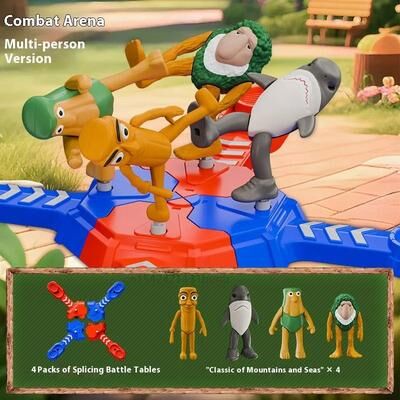
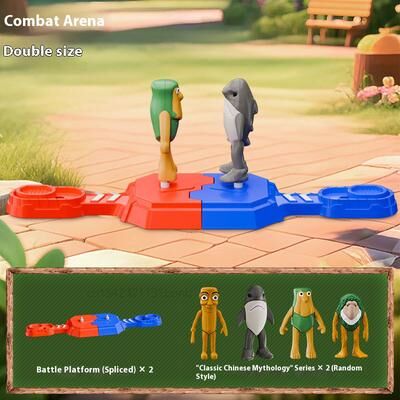
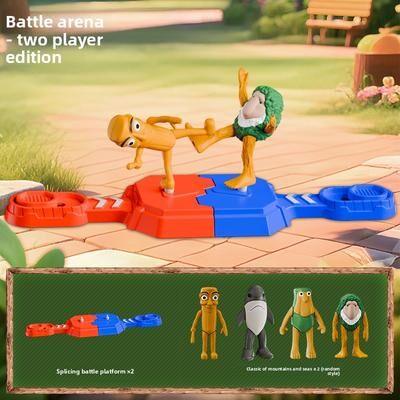
Multisell Products Hub New Shanhaijing Multiplayer Battle Toy, Wooden Stick Parent Child Interaction Arena Games Gift 2 person VersionEngage in Exciting ParentChild Interaction The New Shanhaijing Wooden Stick Multiplayer Battle Toy is an exciting game designed to bring families together. Whether you're playing at home or at a party, this interactive toy fosters fun and bonding...59,97 $*Shipping: 0,00 $Secure redirect to the provider
-
Napoleon 700 Series 18" Built-in Duel Range Top BurnerCreate sides and sauces while the main grill is in use with this 18-inch, drop-in, Dual Range Burner that provides loads of extra space. Instantly ignite these burners single-handed with the JETFIRE™ Ignition System. The large, ergonomic control knobs provide ambiance and safety, glowing a glorious blue that changes to red when the burners are in use. Made from the same quality of premium stainless steel as the 700 Series built-in grills, this drop-in side burner matches your custom outdoor kitchen. These burners provide stylish longevity and were built for ease of install. The power supply kit N370-1091-SER is required for all Built-in 700 Series burners being used in an application without a Built-in 700 Series Built-in Grill in order to supply power for the control knobs.759,99 £*Shipping: 0,00 £Secure redirect to the provider
-
Eagle Tournament Horseshoe Set (4 Horseshoes) by St.Pierre -The Eagle Tournament Horseshoe is for players that want the best in order to bring their game to a new level. They are forged with larger tips and have 1-inch hooks designed to grab the stake and stay on.95,00 $*Shipping: 0,00 $Secure redirect to the provider
-
Centr Battle RopeCENTR BATTLE ROPE The Centr Battle Rope is built for high-intensity training and endurance workouts, offering a versatile fitness tool for home gyms, outdoor sessions, or on-the-go use. Its durable construction ensures it can handle even the toughest routines, providing a reliable way to elevate...69,00 £*Shipping: 4,95 £Secure redirect to the provider



-
What do critics say about the ontological proof of God?
Critics of the ontological proof of God argue that it relies on flawed logic and assumptions. They point out that the argument's premise, that existence is a necessary attribute of God, is not universally accepted and is based on subjective interpretations. Critics also argue that the proof does not provide empirical evidence for the existence of God and is therefore not convincing to those who do not already believe. Additionally, some critics argue that the ontological proof is a circular argument, as it assumes the existence of God in order to prove the existence of God. **
-
What is the ontological difference between beings and Being in Heidegger?
In Heidegger's philosophy, the ontological difference between beings and Being is central to his understanding of existence. Beings refer to the entities that exist in the world, including humans, animals, objects, and so on. Being, on the other hand, refers to the underlying ground or source of existence that makes beings possible. Being is not a being itself, but rather the condition of possibility for beings to exist. Heidegger emphasizes the need to understand Being in order to truly grasp the nature of existence and our place within the world. **
-
What is the solution to the ontological proof of God in Canterbury?
The solution to the ontological proof of God in Canterbury is found in the form of a parody by the character Anselm in the play "Canterbury Tales" by Geoffrey Chaucer. Anselm presents a comical and exaggerated version of the ontological argument, which highlights the absurdity of trying to prove the existence of God through pure logic and reason. The parody serves to critique the limitations of human understanding and the folly of attempting to grasp the divine through intellectual means. Ultimately, the solution to the ontological proof of God in Canterbury is to recognize the inherent mystery and transcendence of the divine, and to approach it with humility and faith rather than attempting to confine it within the bounds of human logic. **
-
What is your opinion on Anselm of Canterbury's ontological proof of God?
Anselm of Canterbury's ontological proof of God is an interesting and thought-provoking argument. I appreciate the logical and deductive approach he takes in trying to prove the existence of God. However, I also recognize that the ontological argument has been the subject of much debate and criticism over the centuries. While I find the concept of a perfect being existing necessarily in the mind and reality intriguing, I believe that the ontological proof is not conclusive and may not be convincing to everyone. Overall, I think Anselm's ontological proof is a valuable contribution to the philosophical discussion of the existence of God, but it is not without its limitations. **


Can someone explain to me the ontological proof of God by René Descartes?
René Descartes' ontological proof of God is based on the idea that existence is a perfection. He argues that God, as a perfect being, must necessarily exist because existence is a necessary attribute of perfection. Descartes posits that our idea of God as a supremely perfect being implies His existence, as a being that exists both in our minds and in reality is greater than one that exists only in our minds. This argument has been subject to much debate and criticism, with some questioning the validity of equating existence with perfection. **
Can someone explain the ontological proof of God by René Descartes to me?
The ontological proof of God by René Descartes is a philosophical argument that attempts to prove the existence of God through reason alone. Descartes argues that the concept of God as a perfect being includes the attribute of existence, because existence is a necessary part of perfection. In other words, if we can conceive of a perfect being, then that being must necessarily exist in reality, because existence is a part of its perfection. This argument has been widely debated and criticized, but it remains an important part of the history of philosophy and the discussion of the existence of God. **
Top-Angebote
Products related to Ontological:
-
Uplift Picks Shanhaijing Wooden Stick Battle Game Multiplayer Arena Toy For Kids And Families 02Turn ordinary playtime into an exciting arena challenge with this action packed wooden stick battle toy inspired by Shanhaijing themes. Designed for interactive fun, this multiplayer battle game encourages friendly competition between kids, parents,...78,98 $*Shipping: 0,00 $Secure redirect to the provider
-
Inspire Daily Merch Wooden Stick Multiplayer Battle Toy, Arena Competition For Parent Child Interaction, Perfect Christmas Gift 1Engage in FunFilled Family Competition The New Wooden Stick Multiplayer Battle Toy brings excitement and bonding opportunities to families. This funfilled game is designed for parentchild interaction and allows both parents and kids to compete in...79,97 $*Shipping: 0,00 $Secure redirect to the provider
-
Multisell Products Hub New Shanhaijing Multiplayer Battle Toy, Wooden Stick Parent Child Interaction Arena Games Gift 2 person VersionEngage in Exciting ParentChild Interaction The New Shanhaijing Wooden Stick Multiplayer Battle Toy is an exciting game designed to bring families together. Whether you're playing at home or at a party, this interactive toy fosters fun and bonding...59,97 $*Shipping: 0,00 $Secure redirect to the provider
-
Napoleon 700 Series 18" Built-in Duel Range Top BurnerCreate sides and sauces while the main grill is in use with this 18-inch, drop-in, Dual Range Burner that provides loads of extra space. Instantly ignite these burners single-handed with the JETFIRE™ Ignition System. The large, ergonomic control knobs provide ambiance and safety, glowing a glorious blue that changes to red when the burners are in use. Made from the same quality of premium stainless steel as the 700 Series built-in grills, this drop-in side burner matches your custom outdoor kitchen. These burners provide stylish longevity and were built for ease of install. The power supply kit N370-1091-SER is required for all Built-in 700 Series burners being used in an application without a Built-in 700 Series Built-in Grill in order to supply power for the control knobs.759,99 £*Shipping: 0,00 £Secure redirect to the provider
-
What is the difference between epistemological and ontological naturalism?
Epistemological naturalism is the belief that knowledge and understanding of the world should be based on naturalistic explanations and evidence, such as scientific inquiry and empirical observation. It focuses on how we come to know and understand the world around us. Ontological naturalism, on the other hand, is the belief that the natural world is all that exists, and that there are no supernatural or non-natural entities or forces. It focuses on the nature of reality and what exists in the world. In summary, epistemological naturalism is about how we know, while ontological naturalism is about what exists. **
-
What is the ontological proof of God according to Canterbury?
The ontological proof of God according to Canterbury is based on the idea that God is the greatest conceivable being. This argument posits that if we can conceive of a being that is the greatest possible being, then that being must exist in reality. In other words, the very concept of God as the greatest conceivable being necessitates his existence. This argument is rooted in the idea that existence is a necessary attribute of God, and therefore, God must exist in reality. **
-
What do critics say about the ontological proof of God?
Critics of the ontological proof of God argue that it relies on flawed logic and assumptions. They point out that the argument's premise, that existence is a necessary attribute of God, is not universally accepted and is based on subjective interpretations. Critics also argue that the proof does not provide empirical evidence for the existence of God and is therefore not convincing to those who do not already believe. Additionally, some critics argue that the ontological proof is a circular argument, as it assumes the existence of God in order to prove the existence of God. **
-
What is the ontological difference between beings and Being in Heidegger?
In Heidegger's philosophy, the ontological difference between beings and Being is central to his understanding of existence. Beings refer to the entities that exist in the world, including humans, animals, objects, and so on. Being, on the other hand, refers to the underlying ground or source of existence that makes beings possible. Being is not a being itself, but rather the condition of possibility for beings to exist. Heidegger emphasizes the need to understand Being in order to truly grasp the nature of existence and our place within the world. **
Similar search terms for Ontological
-
Eagle Tournament Horseshoe Set (4 Horseshoes) by St.Pierre -The Eagle Tournament Horseshoe is for players that want the best in order to bring their game to a new level. They are forged with larger tips and have 1-inch hooks designed to grab the stake and stay on.95,00 $*Shipping: 0,00 $Secure redirect to the provider
-
Centr Battle RopeCENTR BATTLE ROPE The Centr Battle Rope is built for high-intensity training and endurance workouts, offering a versatile fitness tool for home gyms, outdoor sessions, or on-the-go use. Its durable construction ensures it can handle even the toughest routines, providing a reliable way to elevate...69,00 £*Shipping: 4,95 £Secure redirect to the provider
-
Uplift Essentials Double Battle Poke Balloon Toy Double Battle Poke Balloon ToyBring a unique and thrilling challenge to family game night with the Double Battle Poke Balloon Toy Head, a handmade interactive game designed for fastpaced fun. This creative toy features intricately crafted wooden or bamboo warriors that clash in...58,97 $*Shipping: 0,00 $Secure redirect to the provider
-
Everyday Crate ElitePro Digital Chess Timer & Go Game Clock With 42 Tournament Timing Modes ElitePro Digital Chess Timer & Go Game Clock With 42 Tournament Timing ModesEvery move counts when the pressure is on. Designed for competitive players, clubs, coaches, and tournament organizers, this advanced digital chess clock delivers precise, reliable time control for intense matches. With 42 preset timing rules across...64,97 $*Shipping: 0,00 $Secure redirect to the provider
-
What is the solution to the ontological proof of God in Canterbury?
The solution to the ontological proof of God in Canterbury is found in the form of a parody by the character Anselm in the play "Canterbury Tales" by Geoffrey Chaucer. Anselm presents a comical and exaggerated version of the ontological argument, which highlights the absurdity of trying to prove the existence of God through pure logic and reason. The parody serves to critique the limitations of human understanding and the folly of attempting to grasp the divine through intellectual means. Ultimately, the solution to the ontological proof of God in Canterbury is to recognize the inherent mystery and transcendence of the divine, and to approach it with humility and faith rather than attempting to confine it within the bounds of human logic. **
-
What is your opinion on Anselm of Canterbury's ontological proof of God?
Anselm of Canterbury's ontological proof of God is an interesting and thought-provoking argument. I appreciate the logical and deductive approach he takes in trying to prove the existence of God. However, I also recognize that the ontological argument has been the subject of much debate and criticism over the centuries. While I find the concept of a perfect being existing necessarily in the mind and reality intriguing, I believe that the ontological proof is not conclusive and may not be convincing to everyone. Overall, I think Anselm's ontological proof is a valuable contribution to the philosophical discussion of the existence of God, but it is not without its limitations. **
-
Can someone explain to me the ontological proof of God by René Descartes?
René Descartes' ontological proof of God is based on the idea that existence is a perfection. He argues that God, as a perfect being, must necessarily exist because existence is a necessary attribute of perfection. Descartes posits that our idea of God as a supremely perfect being implies His existence, as a being that exists both in our minds and in reality is greater than one that exists only in our minds. This argument has been subject to much debate and criticism, with some questioning the validity of equating existence with perfection. **
-
Can someone explain the ontological proof of God by René Descartes to me?
The ontological proof of God by René Descartes is a philosophical argument that attempts to prove the existence of God through reason alone. Descartes argues that the concept of God as a perfect being includes the attribute of existence, because existence is a necessary part of perfection. In other words, if we can conceive of a perfect being, then that being must necessarily exist in reality, because existence is a part of its perfection. This argument has been widely debated and criticized, but it remains an important part of the history of philosophy and the discussion of the existence of God. **
* All prices are inclusive of VAT and, if applicable, plus shipping costs. The offer information is based on the details provided by the respective shop and is updated through automated processes. Real-time updates do not occur, so deviations can occur in individual cases. ** Note: Parts of this content were created by AI.