Buy pvp24.eu ?
We are moving the project
pvp24.eu .
Are you interested in purchasing the domain
pvp24.eu ?
domain@kv-gmbh.de · 0541-91531010
Buy pvp24.eu ?
How can you combat thread algae in a garden pond?
To combat thread algae in a garden pond, you can try several methods. One approach is to manually remove the algae by hand or with a brush to physically reduce its presence. Another method is to introduce algae-eating fish or snails, such as Siamese algae eaters or pond snails, which can help keep the algae population in check. Additionally, you can consider adding plants that compete with the algae for nutrients, such as water lilies or hornwort, to help prevent its growth. Finally, ensuring proper filtration, adequate aeration, and regular water testing and maintenance can also help prevent and control thread algae in a garden pond. **
How can one combat thread algae in a garden pond?
To combat thread algae in a garden pond, there are several methods that can be effective. One approach is to manually remove the algae by gently pulling it out of the water. Another method is to introduce algae-eating fish, such as Siamese algae eaters or certain species of catfish, which can help control the algae population. Additionally, adding aquatic plants to the pond can help compete with the algae for nutrients, ultimately reducing its growth. Finally, ensuring proper filtration and water circulation in the pond can also help prevent the buildup of excess nutrients that contribute to algae growth. **
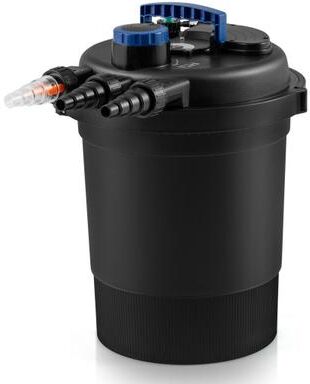

Similar search terms for Pond
Top-Angebote
Products related to Pond:
-
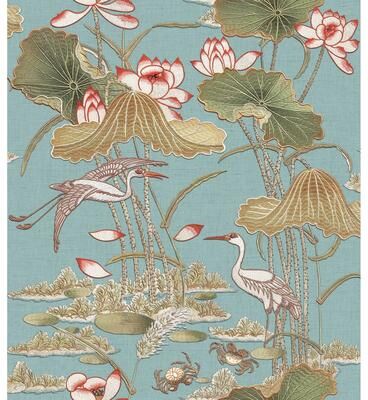
NextWall Lily Pond Peel and Stick WallpaperInspired by 19th century art from the French Impressionism era, this Lily Pond peel and stick wallpaper pattern by NextWall reflects a sea of lush greenery with pops of pink water lilies floating on the horizon.34,99 $*Shipping: 0,00 $Secure redirect to the provider


-
How many pond snails are there in a 10,000-liter pond?
The number of pond snails in a 10,000-liter pond can vary depending on factors such as food availability, water quality, and predation. However, a rough estimate could be around 100-200 pond snails per liter of water, which would mean there could be approximately 1,000,000-2,000,000 pond snails in a 10,000-liter pond. It's important to note that this is just an estimate and the actual number could be higher or lower. **
-
Are pond mussels edible?
Yes, pond mussels are edible and can be consumed by humans. However, it is important to ensure that the mussels are harvested from clean and unpolluted waters, as they can accumulate toxins and pollutants from their environment. It is also important to properly clean and cook the mussels to reduce the risk of foodborne illness. Additionally, it is recommended to check with local regulations and guidelines for harvesting and consuming wild mussels. **
-
What are pond zones?
Pond zones are different areas within a pond that have distinct characteristics and support different types of plant and animal life. These zones can include the littoral zone, which is the shallow area near the shore where aquatic plants grow; the limnetic zone, which is the open water area where phytoplankton and zooplankton thrive; and the profundal zone, which is the deep, dark area where decomposing organic matter accumulates. Each zone plays a unique role in the pond ecosystem and contributes to its overall health and biodiversity. **
-
What are pond models?
Pond models are simplified representations of natural pond ecosystems that are used for scientific research and educational purposes. These models typically include physical components such as water, soil, plants, and small animals, as well as biological components such as bacteria, algae, and other microorganisms. Pond models are used to study ecological processes, nutrient cycling, and the impacts of environmental changes on aquatic ecosystems. They provide a controlled environment for researchers to manipulate variables and observe the effects on the pond ecosystem. **

How can one use salt to combat algae in the garden pond?
Salt can be used to combat algae in a garden pond by adding it in small amounts. It is important to be cautious with the amount of salt added, as too much can harm fish and plants in the pond. A general guideline is to add 1 teaspoon of salt per gallon of water in the pond. It is recommended to dissolve the salt in a bucket of pond water before adding it to the pond to ensure even distribution. Regular monitoring of the pond's salt levels and algae growth is essential to maintain a healthy balance. **
What should be considered when creating a garden pond or natural pond?
When creating a garden pond or natural pond, it is important to consider the location and size of the pond. The pond should be situated in an area that receives a good amount of sunlight but is also protected from strong winds. Additionally, the size of the pond should be appropriate for the space and should be deep enough to support aquatic life. It is also important to consider the type of plants and wildlife that will be introduced to the pond, as well as the maintenance required to keep the pond healthy and thriving. Finally, the ecosystem of the pond should be carefully balanced to ensure the health and sustainability of the pond. **
Top-Angebote
Products related to Pond:
-
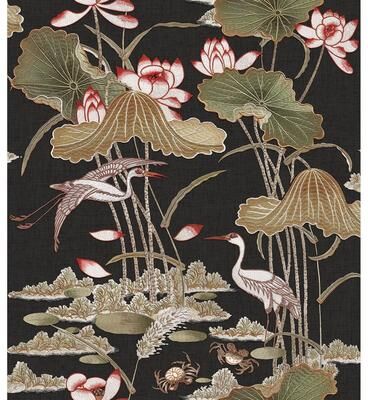
NextWall Lily Pond Peel and Stick WallpaperInspired by 19th century art from the French Impressionism era, this Lily Pond peel and stick wallpaper pattern by NextWall reflects a sea of lush greenery with pops of pink water lilies floating on the horizon.34,99 $*Shipping: 0,00 $Secure redirect to the provider
-
How can you combat thread algae in a garden pond?
To combat thread algae in a garden pond, you can try several methods. One approach is to manually remove the algae by hand or with a brush to physically reduce its presence. Another method is to introduce algae-eating fish or snails, such as Siamese algae eaters or pond snails, which can help keep the algae population in check. Additionally, you can consider adding plants that compete with the algae for nutrients, such as water lilies or hornwort, to help prevent its growth. Finally, ensuring proper filtration, adequate aeration, and regular water testing and maintenance can also help prevent and control thread algae in a garden pond. **
-
How can one combat thread algae in a garden pond?
To combat thread algae in a garden pond, there are several methods that can be effective. One approach is to manually remove the algae by gently pulling it out of the water. Another method is to introduce algae-eating fish, such as Siamese algae eaters or certain species of catfish, which can help control the algae population. Additionally, adding aquatic plants to the pond can help compete with the algae for nutrients, ultimately reducing its growth. Finally, ensuring proper filtration and water circulation in the pond can also help prevent the buildup of excess nutrients that contribute to algae growth. **
-
How many pond snails are there in a 10,000-liter pond?
The number of pond snails in a 10,000-liter pond can vary depending on factors such as food availability, water quality, and predation. However, a rough estimate could be around 100-200 pond snails per liter of water, which would mean there could be approximately 1,000,000-2,000,000 pond snails in a 10,000-liter pond. It's important to note that this is just an estimate and the actual number could be higher or lower. **
-
Are pond mussels edible?
Yes, pond mussels are edible and can be consumed by humans. However, it is important to ensure that the mussels are harvested from clean and unpolluted waters, as they can accumulate toxins and pollutants from their environment. It is also important to properly clean and cook the mussels to reduce the risk of foodborne illness. Additionally, it is recommended to check with local regulations and guidelines for harvesting and consuming wild mussels. **
Similar search terms for Pond
-
What are pond zones?
Pond zones are different areas within a pond that have distinct characteristics and support different types of plant and animal life. These zones can include the littoral zone, which is the shallow area near the shore where aquatic plants grow; the limnetic zone, which is the open water area where phytoplankton and zooplankton thrive; and the profundal zone, which is the deep, dark area where decomposing organic matter accumulates. Each zone plays a unique role in the pond ecosystem and contributes to its overall health and biodiversity. **
-
What are pond models?
Pond models are simplified representations of natural pond ecosystems that are used for scientific research and educational purposes. These models typically include physical components such as water, soil, plants, and small animals, as well as biological components such as bacteria, algae, and other microorganisms. Pond models are used to study ecological processes, nutrient cycling, and the impacts of environmental changes on aquatic ecosystems. They provide a controlled environment for researchers to manipulate variables and observe the effects on the pond ecosystem. **
-
How can one use salt to combat algae in the garden pond?
Salt can be used to combat algae in a garden pond by adding it in small amounts. It is important to be cautious with the amount of salt added, as too much can harm fish and plants in the pond. A general guideline is to add 1 teaspoon of salt per gallon of water in the pond. It is recommended to dissolve the salt in a bucket of pond water before adding it to the pond to ensure even distribution. Regular monitoring of the pond's salt levels and algae growth is essential to maintain a healthy balance. **
-
What should be considered when creating a garden pond or natural pond?
When creating a garden pond or natural pond, it is important to consider the location and size of the pond. The pond should be situated in an area that receives a good amount of sunlight but is also protected from strong winds. Additionally, the size of the pond should be appropriate for the space and should be deep enough to support aquatic life. It is also important to consider the type of plants and wildlife that will be introduced to the pond, as well as the maintenance required to keep the pond healthy and thriving. Finally, the ecosystem of the pond should be carefully balanced to ensure the health and sustainability of the pond. **
* All prices are inclusive of VAT and, if applicable, plus shipping costs. The offer information is based on the details provided by the respective shop and is updated through automated processes. Real-time updates do not occur, so deviations can occur in individual cases. ** Note: Parts of this content were created by AI.